A staffed place to recover.
Avoiding an unnecessary hospital stay can release bed capacity for someone who needs inpatient care. The full pathway has to support that return home.
The Lab-Hôpital is a proposal for a public centre in Québec devoted to ambulatory surgery: helping people return home on the day of their operation, with preparation and follow-up designed around their lives.
Its ambition is to make that possible for more patients while building lasting health, protecting hospital capacity, and improving care through research, teaching, and continuous learning.
A surgical service needs an available team, an operating room, and somewhere for the patient to recover. When inpatient beds are occupied, planned surgery competes with emergencies and complex care. Building additional hospital capacity also means funding, staffing, and maintaining it for decades.
Avoiding an unnecessary hospital stay can release bed capacity for someone who needs inpatient care. The full pathway has to support that return home.
Additional rooms need trained professionals. Coordination, retention, and better use of clinical time belong alongside investment in buildings and equipment.
The economic question includes construction, daily operations, recovery, and care used afterward. A shorter stay creates value when the patient remains well supported.
Ambulatory surgery means preparing for recovery outside the hospital from the outset. Assessment, anaesthesia, pain and nausea control, mobility, education, transport, support at home, and access to help all have to work together.
The Lab-Hôpital would make this a dedicated field of expertise. Its central question is whether better preparation and a stronger pathway can make same-day recovery appropriate for more people, including some who would otherwise require admission.
The Lab-Hôpital would be a publicly funded, publicly governed centre integrated with the health network. Starting with a focused group of orthopaedic procedures would let stable teams refine the same pathways together, from assessment to recovery at home.
Its clinical responsibility would extend across the episode of care, including the services needed after discharge. Teaching, research, data infrastructure, and continuous improvement would be part of that public mission from the beginning.
Wood, stone, large windows, and daylight would give the centre a welcoming character. Gardens, accessible walking loops, rest areas, and quiet rooms would create opportunities to move, spend time outside, and reconnect with others.
The layout would also serve the work: distinct spaces for treatment, exercise, cooking, and conversation; short routes between clinical areas; and shared workspaces for teams. Patients would get to know the place during preparation and return to familiar surroundings on the day of surgery.
A public architecture competition could explore adaptable spaces, local materials, and energy use, with the building’s effects on care and operating costs studied over time.
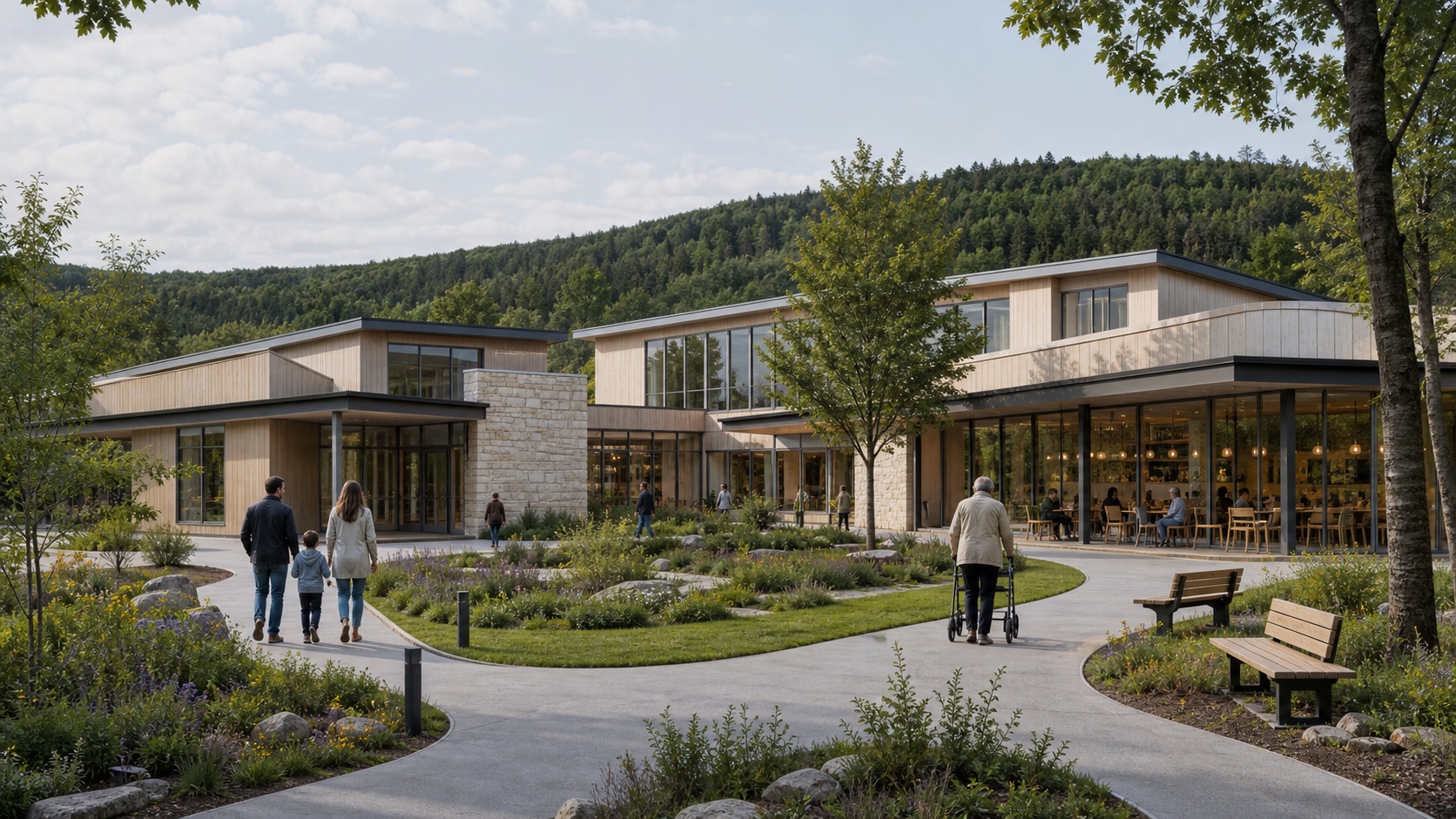
Prehabilitation means working on health before the operation: physical capacity, nutrition, medical conditions, sleep, emotional well-being, and the support available at home. Assessment would identify what can be improved and the help each person needs to take part, including local or remote support for those who cannot attend regularly.
The aim is to help more people arrive ready for surgery and recovery at home. Suitability would be reassessed after preparation, with an inpatient pathway available when that remains the appropriate choice.
Understand the person’s health, goals, mobility, worries, nutrition, and home circumstances.
Combine individual care, group activities, medical optimization, and practical education for patients and caregivers.
Review progress and agree on the surgical and recovery setting, including the support needed afterward.
Surgery can open a longer conversation about health: habits that last, confidence regained, and relationships that bring someone out of isolation.
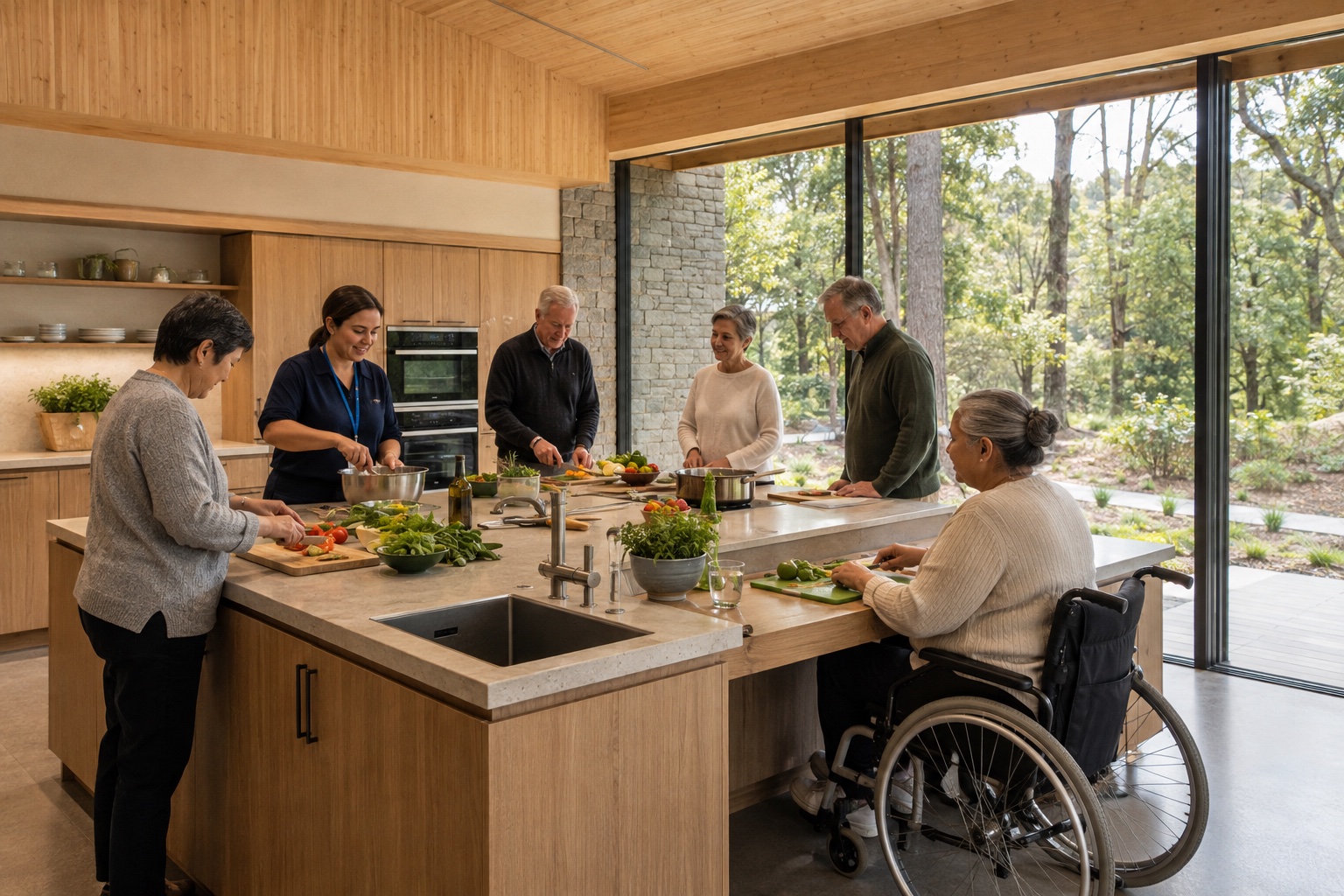
Practical cooking courses would turn nutrition advice into meals people know how to make. Patients and family members could prepare food together, with a dietitian helping them adapt it to their needs, appetite, and recovery.
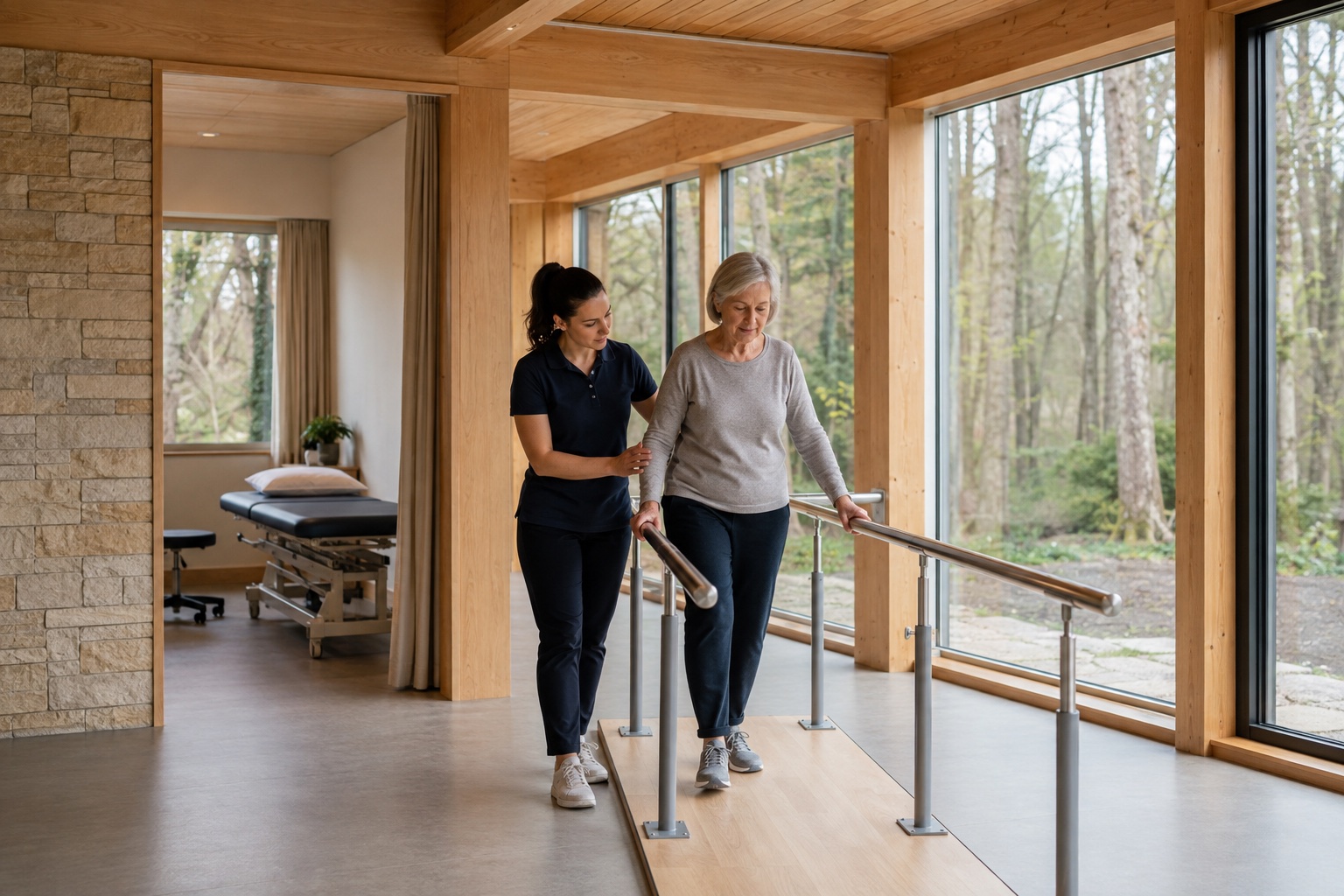
A dedicated physiotherapy space for assessment and individual rehabilitation: working on balance, mobility, pain, and the movements that matter at home, with a plan that follows the person through surgery.
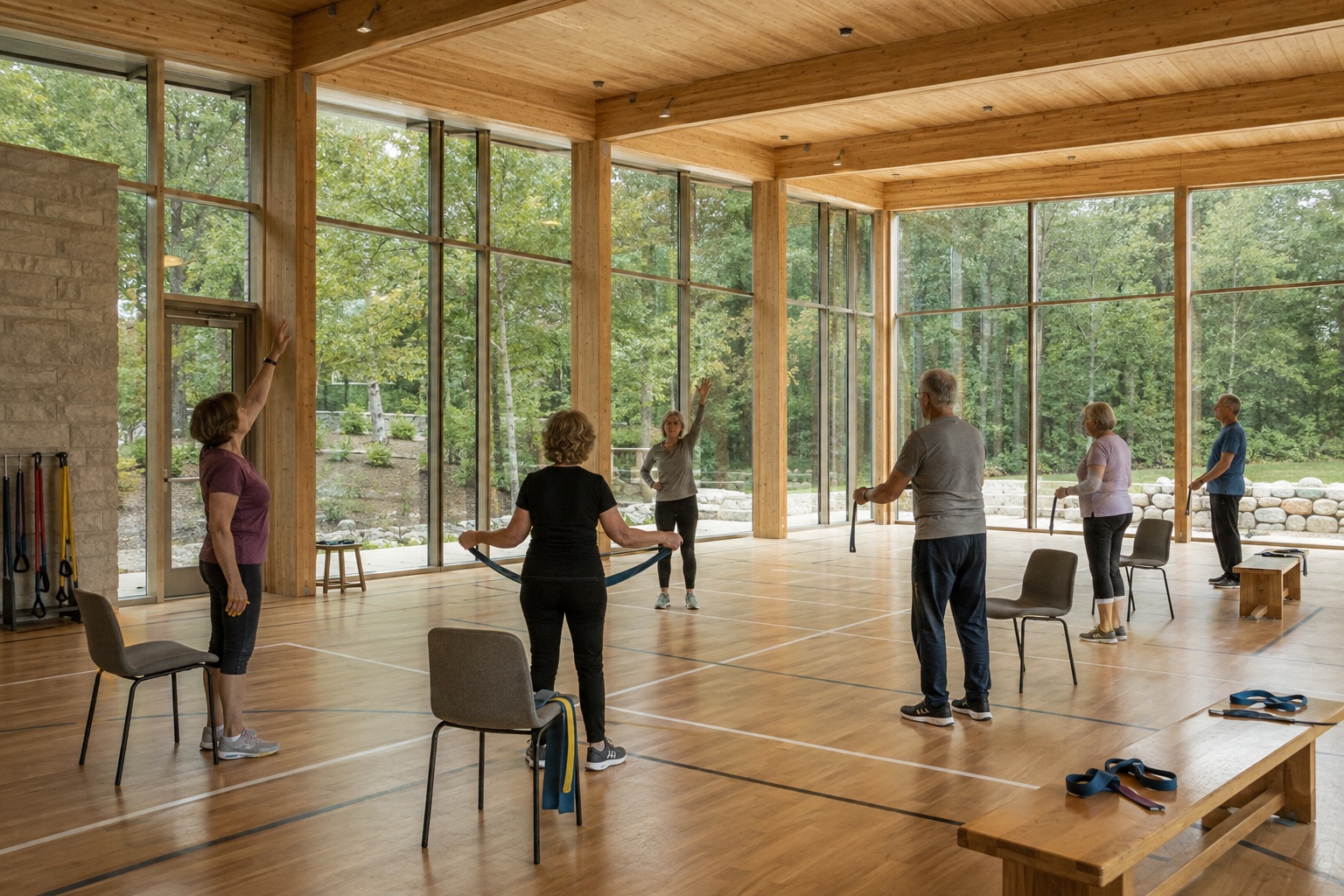
A bright gymnasium for supervised strength, endurance, and group movement. People preparing for surgery and those recovering could exercise alongside one another, at a level suited to each person.
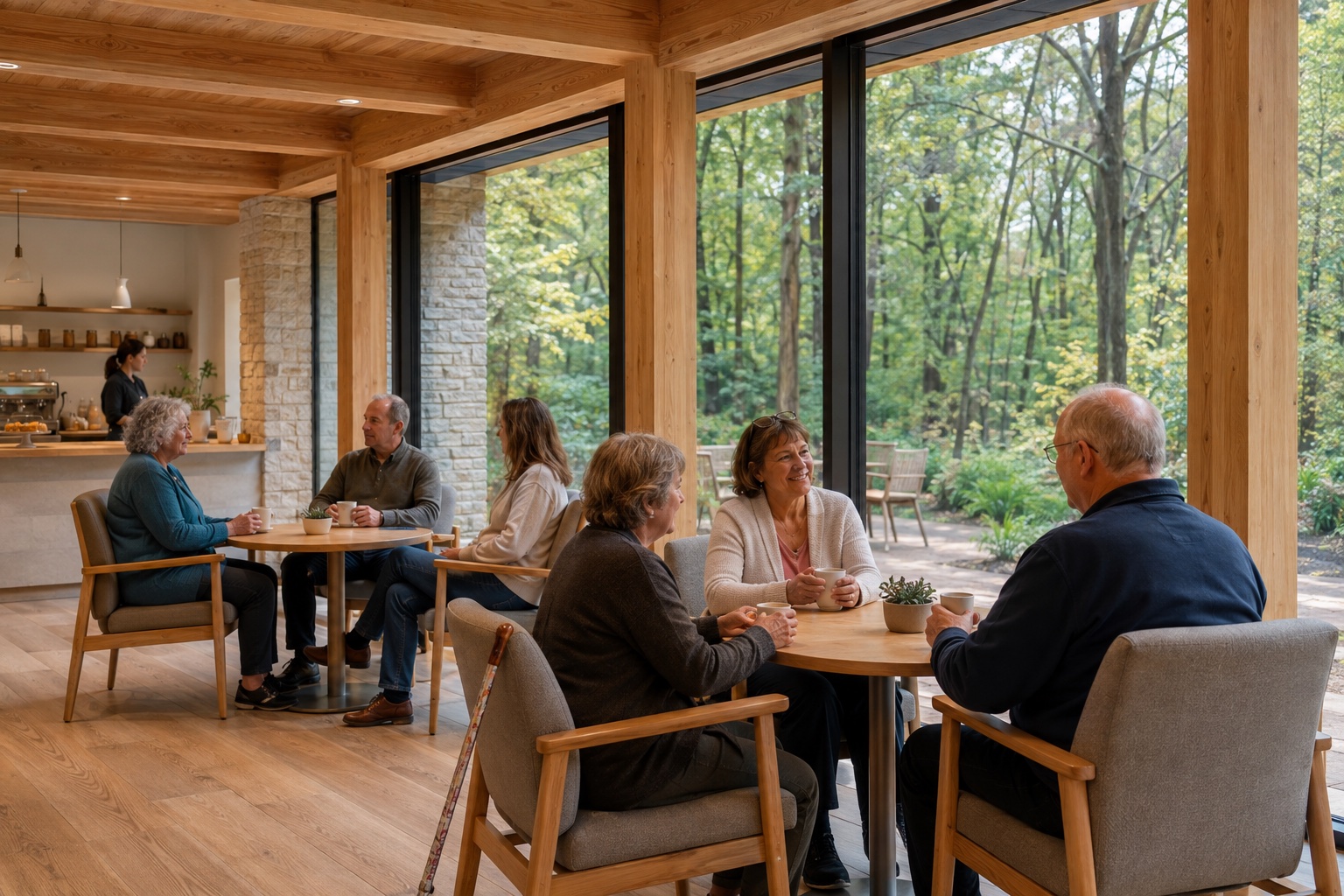
A shared café, workshops, and time together would give people reasons to return. Someone waiting for surgery could meet someone already recovering; a former patient could become a supported peer mentor. Families, neighbours, and community partners would help make this a place that brings people out of isolation.
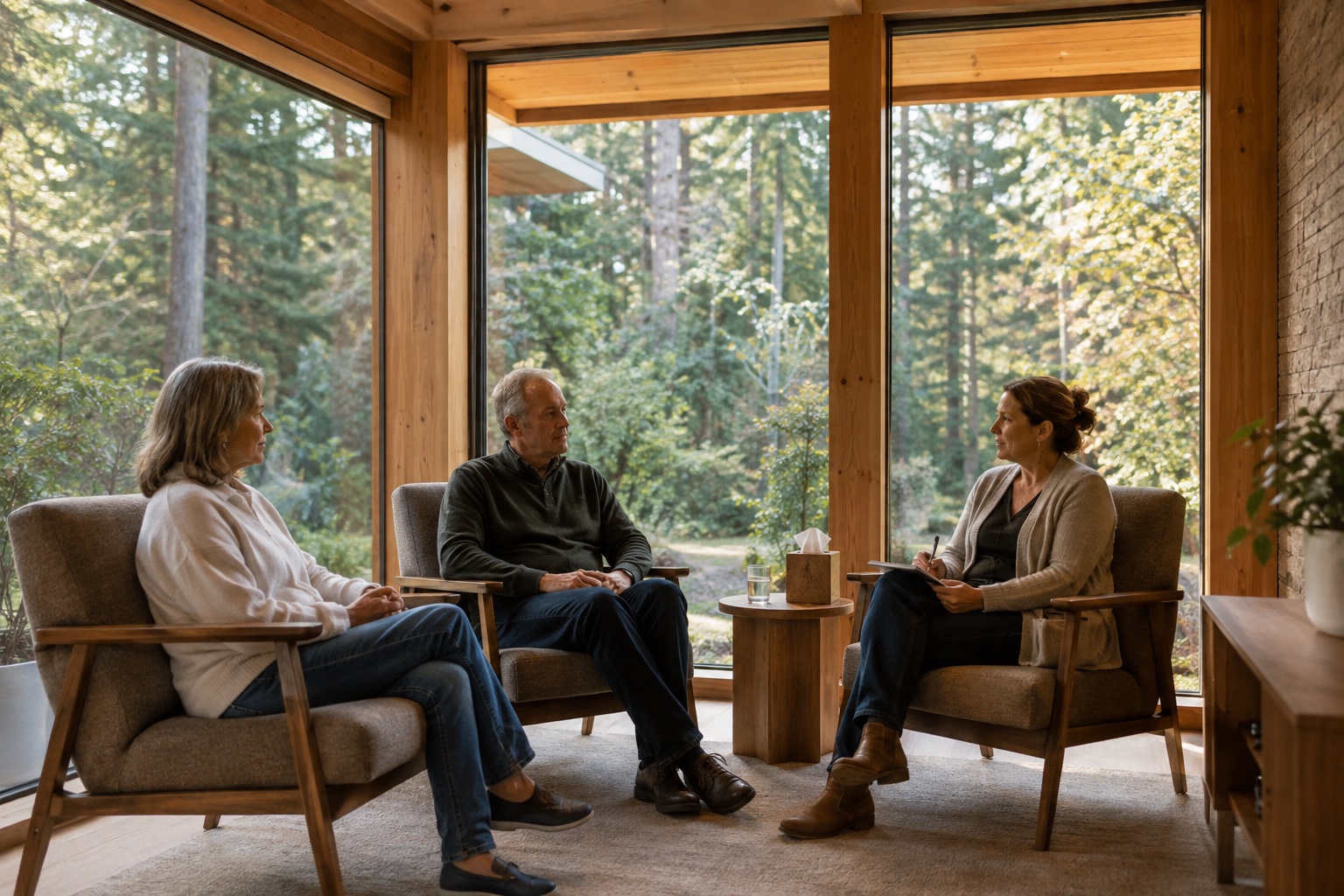
Quiet, private rooms for conversations about anxiety, mood, pain-related fears, or memory concerns. Individual support and small-group workshops would help people and their families prepare emotionally as well as physically.
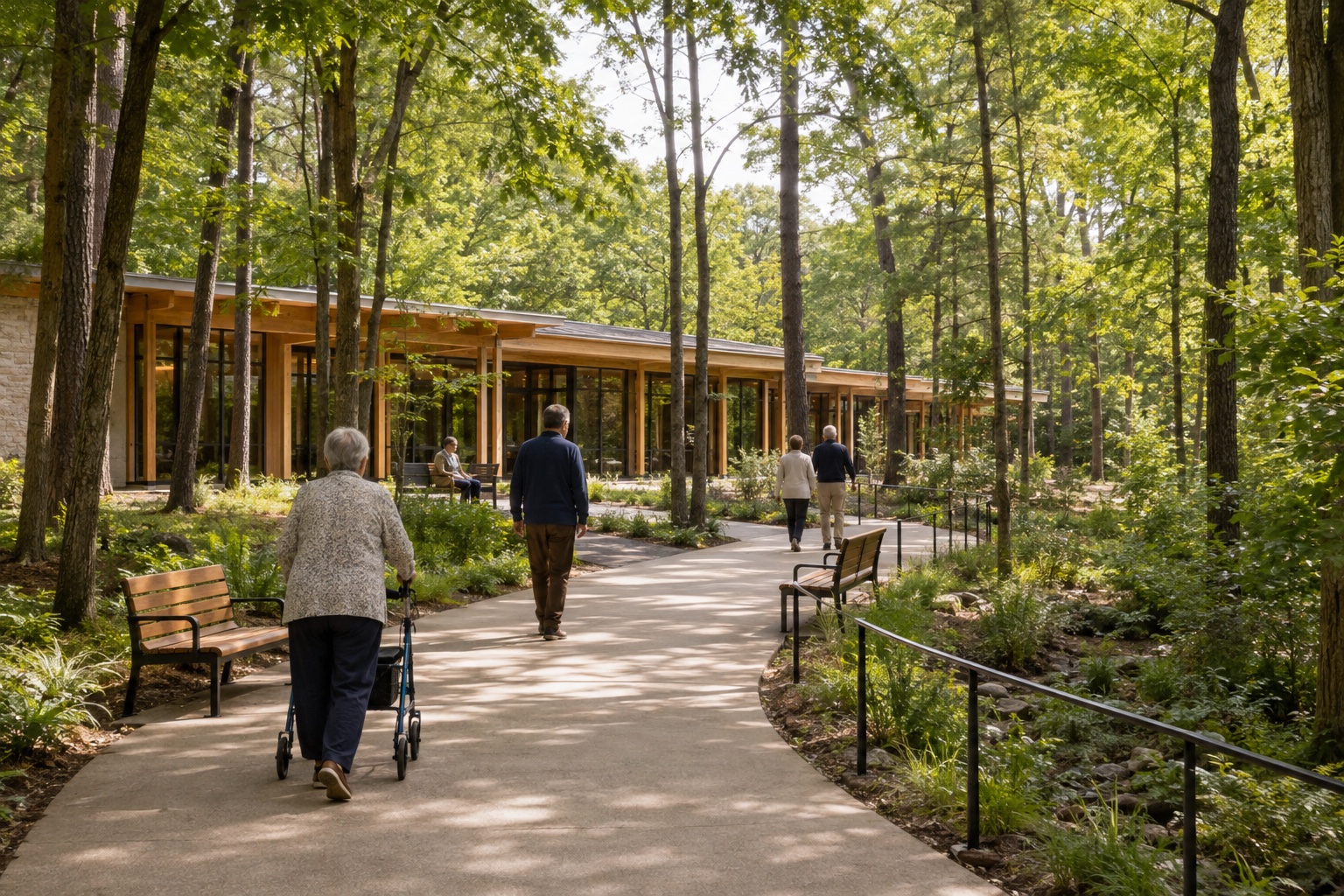
Accessible walking loops, gardens, and places to rest would make the outdoors part of everyday life at the centre. Different routes would let people walk at their own pace, alone, with a loved one, or with a group.
The operating day would be designed as one continuous pathway. The same attention given to the procedure would extend to preparation, room turnover, recovery, and the return home. Patients would meet a team and a place they already know.
Bright, private recovery spaces would support comfort, initial rehabilitation, and observation. These spaces would convert into short-stay rooms, allowing patients who need more time, monitoring, or treatment to remain at the centre for 24–48 hours. The same place and team would support recovery until the person is ready to return home.
Optimization would be judged on safety, experience, delays, cancellations, room use, and team workload together. The purpose is dependable capacity and better care throughout the day.
Discharge would begin the next phase of responsibility. Rehabilitation, nutrition, pain management, sleep, and emotional support would continue through planned contacts, local partners, and home visits when needed. Patients and caregivers would know whom to contact and how concerns would be assessed, including outside clinic hours.
The return to the centre would also matter: exercise, cooking, workshops, and the patient community could continue through recovery. People who wish to could later support someone preparing for their own operation.
The Lab-Hôpital would connect information from the whole episode: assessment, preparation, physiological observations, treatment, recovery, patient experience, and resources used. A longitudinal view would let teams study how a person’s needs change and how care responds.
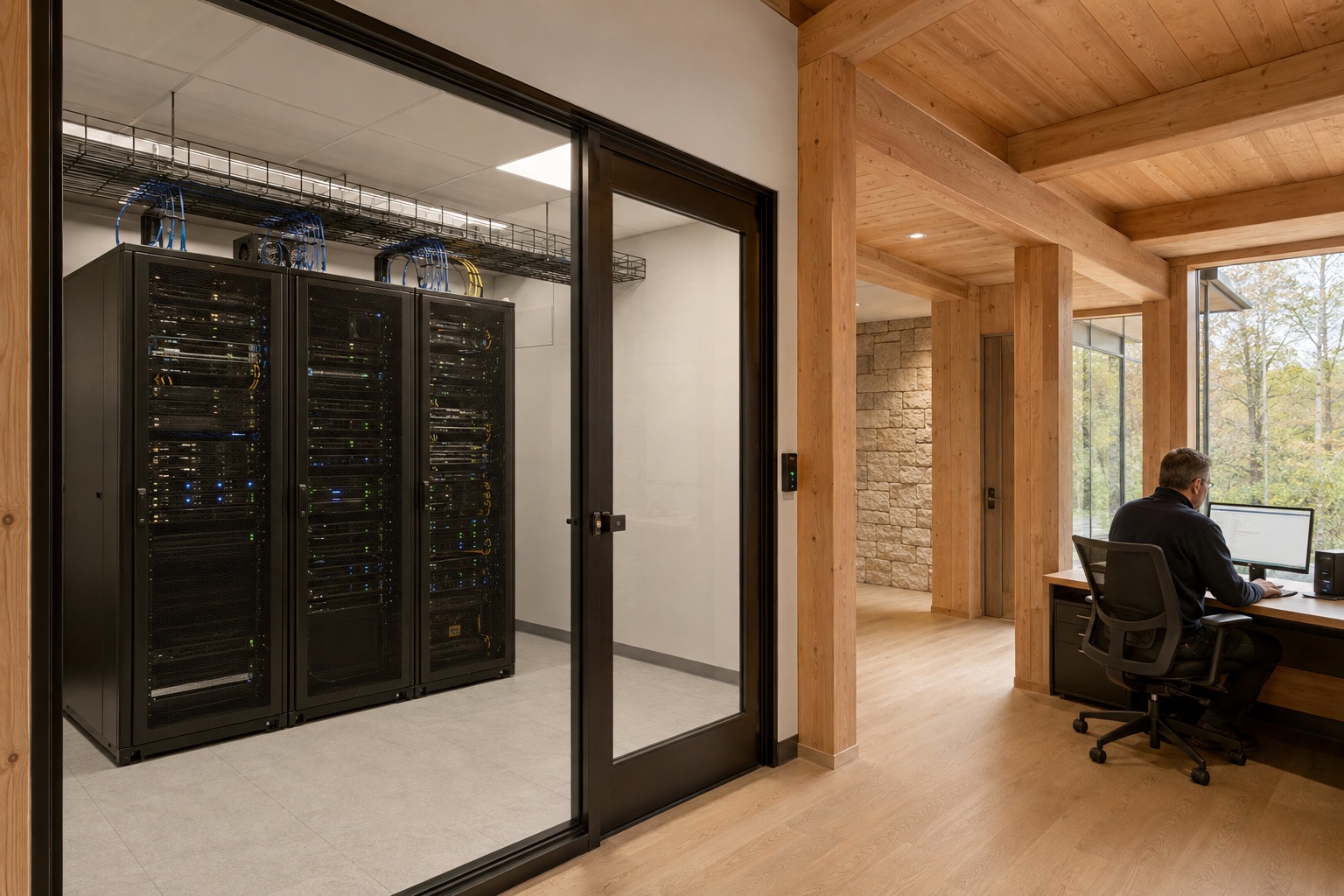
Dedicated servers within the hospital network would support data processing, research, and local AI. Clinical, technical, and research staff would build and maintain that capacity together.
Common data standards such as OMOP, quality checks, access permissions, and audit records would make information more usable while keeping its stewardship with the institution.
Study whether models can help identify who needs more preparation, update estimates as surgery unfolds, and recognize a recovery that is departing from its expected course. The clinical team would use that information to reassess care and follow-up.
Evaluate tools for documentation, clinical information retrieval, summaries, and follow-up prioritization. Useful support would reduce repetitive work and help teams notice the people who need their attention.
Connect case durations, cancellations, staffing, supplies, and recovery-space occupancy to planning. Study how changes in one part of the centre affect workload, delays, and capacity elsewhere.
Each care journey would contribute to a growing understanding of what helps, for whom, and under which conditions. Clinical practice, architecture, technology, staffing, and spending would all be open to study. Improvement would become a recurring part of the institution’s work.
Follow clinical outcomes, function, experience, physiology, care delivered, team workload, time, and costs.
Check data quality, compare trajectories, and examine differences with patients, teams, researchers, and health economists.
Choose a specific question about preparation, treatment, the environment, technology, or organization.
Compare the change with current practice. Study benefits, harms, access, workload, and the full cost of care.
Adopt supported changes through clinical review. Update protocols, teach the team, and validate revised models before use.
Follow what happens after adoption. Refine, reverse, or extend the change, and share the findings.
Updated care generates the next observations. The loop begins again.
The Lab-Hôpital would be an ideal setting to evaluate a new technology, procedure, or care approach, studying its effects on recovery, patient experience, and the resources needed to deliver care.
The platform would bring together detailed information before, during, and after surgery: baseline health, physical function, nutrition, sleep, psychological well-being, and support at home; anaesthesia, the operation, and care delivered; then recovery, complications, patient experience, and costs over time.
A shared care pathway and carefully designed comparisons, supported by this depth of information, would help account for differences between patients and estimate the intervention’s effects more precisely. The team could understand who benefits, under which conditions, and what it means for the whole recovery. Those findings would inform the next version of care, with outcomes measured again as the pathway evolves.
Start with a focused pathway, stable teams, dependable data, and a baseline against which changes can be evaluated.
Follow successive cohorts over time. Improve care protocols and retrain models when the evidence warrants it, with validation and monitoring of each update.
Publish methods, train partner teams, and test transfer to other specialties and centres. Explore federated learning with privacy safeguards while institutions retain control of their records.
A permanent research team and university and college partnerships would connect everyday clinical questions to rigorous study and training. Students, residents, fellows, clinicians, data scientists, and health economists would work alongside one another.
Medicine, nursing, rehabilitation, nutrition, and health management would share opportunities for supervised practice, simulation, and case discussion. Clinical data science and AI training would connect technical methods to real care problems.
Continuing education, visiting teams, and fellowships would help established professionals develop their practice and carry what they learn into other settings.
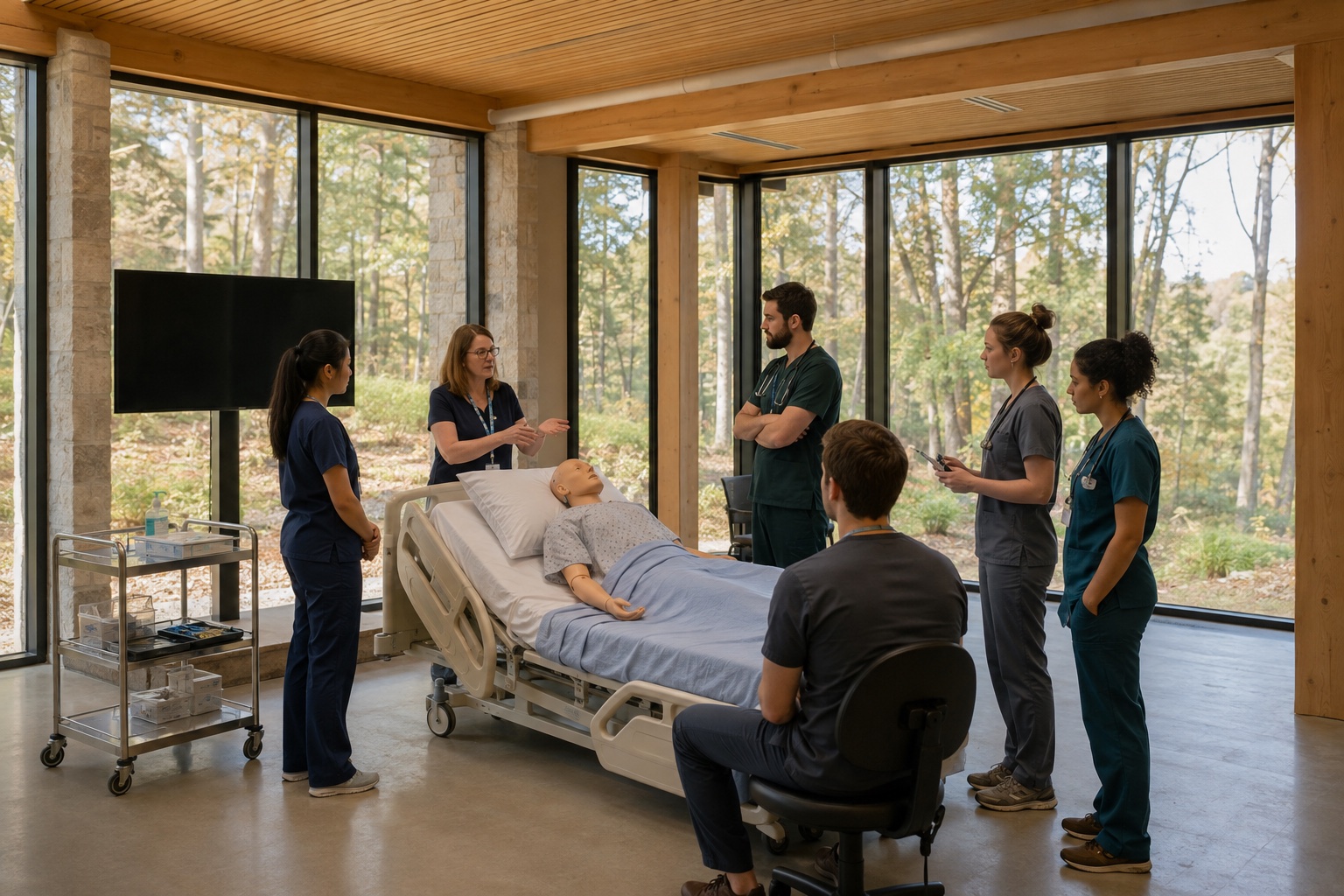
Patients and teams would help define the questions. Studies would examine clinical outcomes, lived experience, the built environment, technology, and economics, with the methods and oversight appropriate to each question.
Publish results, including changes that did not work. Share protocols, evaluated tools, and teaching materials so the benefit can reach beyond a single centre.
The model asks whether investment in preparation, organization, and recovery can produce better health with more useful public capacity. Its financial evaluation would include both the cost of establishing the centre and the resources needed to operate the full pathway over time.
The proposed funding approach combines activity, quality, and shared gains from better use of resources. It would support investment in preparation and follow-up, with improvements judged over the whole episode.
Financial savings and hospital capacity released would be measured separately. Gains would be reinvested in public care, prevention, staff development, and research.
The intended result is more appropriate ambulatory surgery, shorter waits, and beds available for patients who need admission. Referrals, home care, and recruitment would be planned with the existing network.
Stable teams, a voice in decisions, time to learn, and a supportive working environment would help build and retain expertise. Staffing and downstream workload would be included in the evaluation of added capacity.
Patients, clinicians, researchers, and managers would share governance. Independent evaluation and public reporting would assess safety, access, recovery, experience, workforce conditions, and cost together.
A phased launch would test the model before expansion. Further investment would follow evidence about what works, what needs revision, and what other centres can use.
The Lab-Hôpital would bring the whole journey into view: a person’s preparation, their operation, their life at home, and what the public system can learn from it. Surgery becomes an opportunity to build health, confidence, and connection that endure.
Discuss the Lab-Hôpital